
The choice of lamps for slatted ceilings is an integral component in creating optimal lighting in the premises. Properly selected lamps allow you to achieve not only convenient and effective lighting, but also create an atmosphere of comfort and stylish design. In this article, our aim is to provide you with valuable tips and guidelines for choosing the ideal track lights so that you can make an informed and perfect choice that will meet your needs and requirements. Let’s move on to a review of important aspects that will help you decide on the most suitable options for lamps for your lighting on slatted ceilings.
Types of rail lighting systems
Rail lighting systems are a universal and functional solution for providing effective lighting in various rooms. They consist of a mounting rail onto which the fixtures can be easily mounted, creating a flexible and customizable lighting tool.
Typically, rail systems are of three types: single-phase, three-phase, and busbar.
- Single-phase busbar systems are simple and inexpensive systems that have a single mounting rail with a single busbar track. Such systems are suitable for small rooms and are mainly used for general lighting.
- Three-phase rail systems are more complex and more powerful options that have three separate busbar tracks. This allows you to connect different groups of lamps to separate phases, which allows you to adjust the lighting and create various light scenarios.
- Busbar rail systems are extremely flexible and expandable rails with the possibility of connecting lamps to any point of the busbar. This gives a lot of freedom in lighting planning and installation, and such systems are often used in shops, exhibition spaces and galleries.
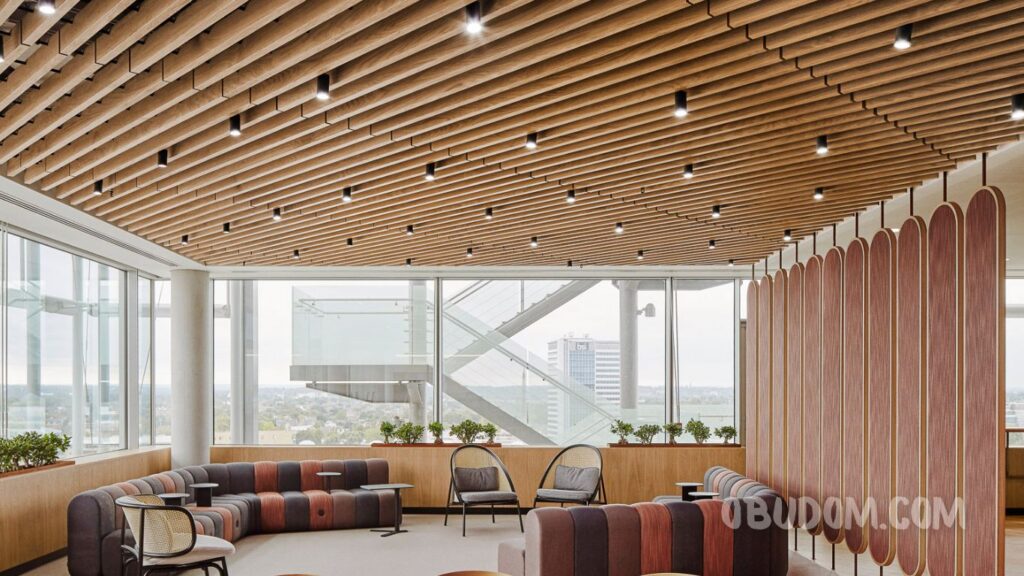
Advantages and disadvantages of different types of slatted ceilings
Single-phase rail systems
Advantages:
- Economical option for simple lighting needs.
- Ease of installation and mounting, which allows you to easily change the position of the lamps.
- Suitable for home lighting, shops with a small area.
Disadvantages:
- Limited power and lighting control options.
- A limited number of lamp groups that can be connected.
Three-phase rail systems
Advantages:
- High power and the ability to adjust lighting in different zones.
- A larger number of lamp groups can be connected, which allows you to create complex light scenarios.
- Suitable for commercial premises, offices, exhibition areas.
Disadvantages:
- Higher cost and more complicated installation compared to single-phase systems.
Busbar rail systems
Advantages:
- The greatest flexibility and the ability to change the location of lamps without dismantling the rail.
- High power and many options for connecting lamps.
- An ideal choice for shops, galleries, architectural lighting.
Disadvantages:
- Higher cost compared to other types of rail systems.
- More complex design and installation of the rail.
By choosing the right type of rail system, you will create lighting that perfectly meets your needs and provides high quality lighting in any room.
The main factors for choosing lamps
- Power and brightness of lamps
- Types of light sources (LED, halogen, incandescent lamps)
- Light scattering angle
- Design and style of lamps
- Energy efficiency and environmental friendliness
Let’s analyze each item in more detail.
Power and brightness of lamps
One of the first and key factors in choosing lights for railed ceilings is power and brightness. The power of the lamp is measured in watts (W) and indicates the consumed electrical power. The greater the power, the more electricity the lamp consumes.
When choosing power, you should take into account the area of the room and its purpose. For example, lighting a workspace such as a kitchen or office may require higher wattage fixtures to provide bright, even lighting. In living areas, you can use lamps with lower power to create a pleasant and cozy atmosphere.
The brightness of lamps is determined in lumens (lm) and shows how much light is emitted by the lamp. The more lumens, the brighter the light will be in the room. When choosing the brightness, you should take into account the lighting zones, the need to illuminate specific objects or decorative elements, and the general atmosphere you want to create.
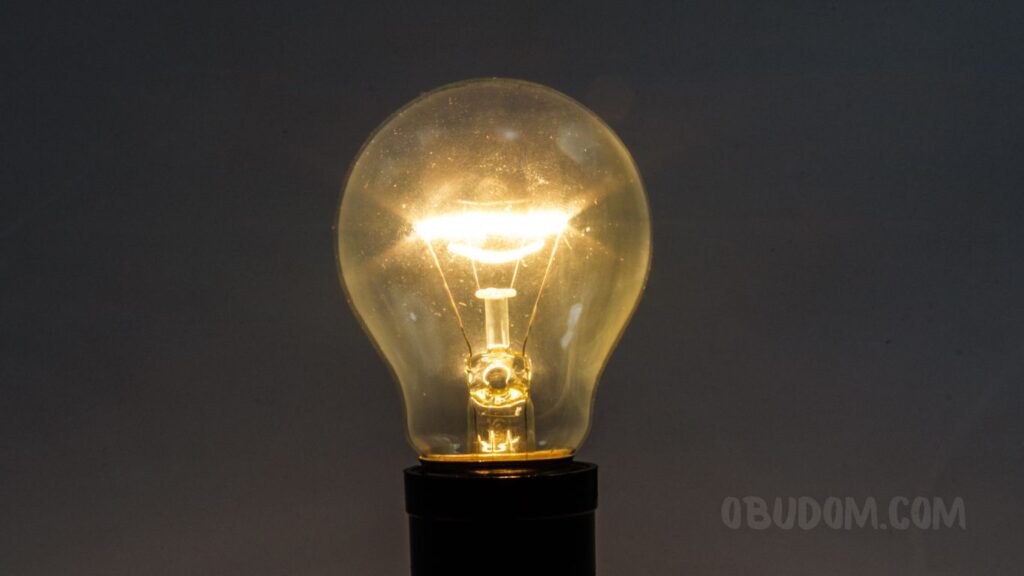
Types of light sources (LED, halogen, incandescent lamps)
Modern track lights offer different types of light sources, and each of them has its own advantages and characteristics.
- LED lamps: LED (light-emitting diode) lamps are the most energy-efficient and long-lasting. They consume less electricity, but provide bright and high-quality light. In addition, they are available in different colors of light, from warm to cold, which allows you to create different atmospheres.
- Halogen lamps: Halogen lamps also provide bright light and are suitable for spot lighting. They have good color rendering, but are less energy efficient compared to LEDs.
- Incandescent lamps: These are traditional lamps, such as incandescent lamps or compact energy-saving lamps (ECL). They are the least efficient of all types, but can have a nice warm light color.
Light scattering angle
The light scattering angle is an important factor because it determines how wide or narrow the light from the fixture is scattered. This affects the lighting coverage and can be important for selection depending on the features of the room.
For general lighting of large areas, lamps with a wide scattering angle can be suitable, which scatter light over a large area. For spot lighting of objects or decorative details, it is better to use lamps with a narrow scattering angle, which will provide more concentrated and directed light.
Design and style of lamps
The design and style of lamps affect the aesthetic aspect of lighting and help create the desired atmosphere in the room. The choice of design can be essential for decorating the interior and ensuring the appropriate style.
Modern LED lamps have a variety of designs – from minimalist to sophisticated or even expressive. It is important to choose a style that is harmoniously combined with the design of your room.
Energy efficiency and environmental friendliness
One of the important factors in the choice of lamps is their energy efficiency and environmental friendliness. LED lamps are the most energy-efficient and durable, which allows you to significantly reduce electricity consumption and reduce lighting costs. Choosing LED lights also helps reduce CO2 emissions and has a positive impact on the environment.
By carefully evaluating these factors, you will be able to make the optimal choice of lights for slatted ceilings that meet your needs, style preferences and principles of efficient and ecological lighting.
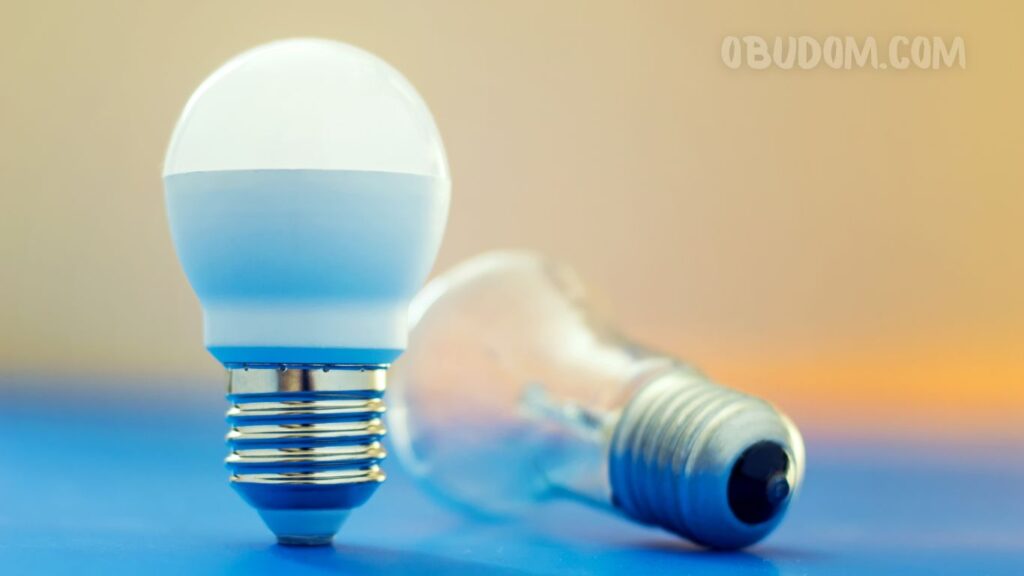
Popular models of lamps for slatted ceilings
- Traditional halogen lamps
Halogen lamps were one of the first types of lamps used in track lighting systems. They use halogen lamps that have high brightness and good color rendering. Halogen lamps provide directional and spot lighting, which makes them an ideal choice for illuminating objects, paintings or decorative elements.
However, halogen lamps have some disadvantages. They consume more energy compared to LED lights, which can lead to high electricity costs. Also, due to operation at high temperatures, they can generate more heat, which requires additional cooling measures.
- Modern LED lamps
LED lamps have become a popular and predominant option for track lighting systems. They provide high brightness, long service life and energy efficiency. LED technology allows you to significantly reduce electricity consumption, which makes them cost-effective and long-lasting options.
Modern LED lamps are available in various designs and styles, which allows you to find suitable models for any interior. They can also have a different color of light, which allows you to create different moods and atmospheres in the room.
- Economical incandescent lamps for special requirements
Incandescent lamps, such as incandescent or compact energy-saving lamps (ECL), are economical alternatives for lighting track ceilings. They provide a pleasant warm light color and good color rendering.
These lamps are often used to create cozy atmospheric lighting in living spaces, restaurants, cafes and other places where a special aesthetic effect is of great importance.
Choosing between different types of fixtures depends on your needs, budget, and personal preference. Modern LED lights are the preferred option due to their efficiency and wide variety of designs, but halogen and incandescent lights can also be beneficial in certain situations.
Safety and quality criteria of lamps
- Compliance with safety standards
One of the most important aspects of choosing lights for railed ceilings is their compliance with safety standards. When choosing lamps, make sure that they have the necessary certificates and documentation, confirming compliance with national and international safety standards. Such standards guarantee that the lamps meet all the necessary standards and requirements for electrical safety, grounding, protection against overloads and short circuits.
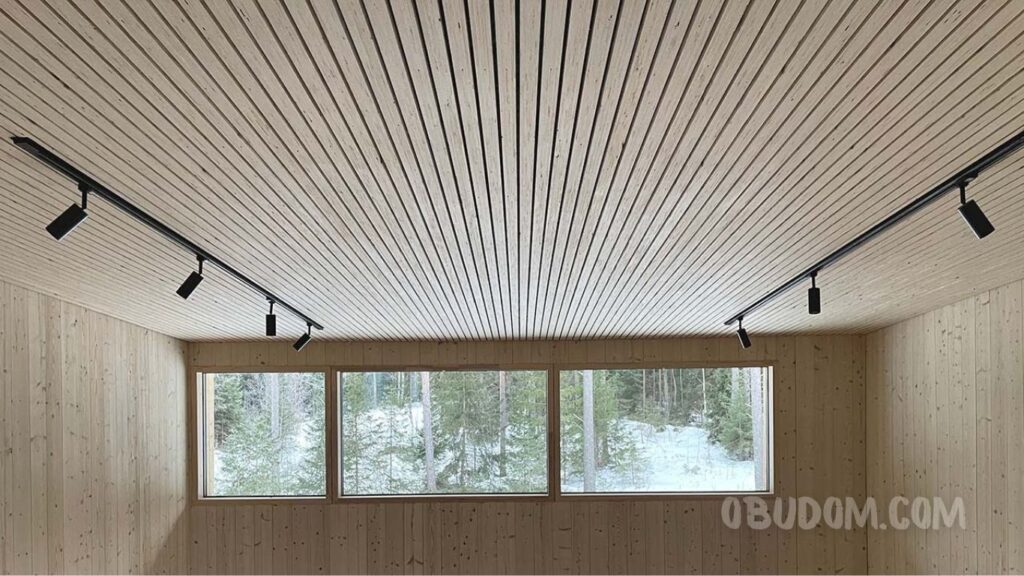
- Warranty period and support from the manufacturer
Before buying lamps, pay attention to the warranty period provided by the manufacturer. The long warranty period indicates the high quality of the product and the manufacturer’s confidence in its reliability. The warranty period also guarantees free repair or replacement of the lamp in case of defects or malfunctions.
Also, pay attention to support from the manufacturer. He must provide quality advice and support on the installation, operation and maintenance of lamps.
- Energy efficiency rating and certification
Evaluate the energy efficiency of lamps before buying. The energy efficiency rating shows how efficiently the lamp uses electricity. A higher rating means lower electricity consumption and lower space heating costs.
Also, make sure that the lamps have the necessary certificates and markings confirming their energy efficiency and environmental friendliness, such as Energy Star certificates or other local and international certifications.
Choosing the right lights that meet safety requirements, have a warranty period and are energy efficient will help to ensure the longevity and efficiency of lighting in your space, as well as lower energy costs and be a greener alternative.
Advice on the maintenance and care of lamps
- Correct installation and assembly
Correct installation and installation of lamps is an important prerequisite for their efficient and safe operation. Before installation, make sure you follow the manufacturer’s instructions and all safety standards. If you do not have enough experience or knowledge, it is better to contact professionals who will carry out the installation correctly and safely.
- Regular cleaning and maintenance
Regular cleaning and maintenance of lamps will help ensure their long service life and high-quality lighting. Remove dust and dirt from the surface of the lamps, and also replace burned-out lamps. Remember that dirt and dust can reduce the luminous flux of lamps and affect the quality of lighting.
- Appropriate use and operation
Appropriate use and operation of lamps also affects their efficiency and service life. Observe the maximum power of the lamps specified by the manufacturer and do not overload the lamps. Avoid power outages and sudden voltage drops, as this can negatively affect the operation of the lamps.
Also, avoid turning lights on and off too often, as this can shorten their lifespan. If you need additional lighting control, install dimmers or use automatic lighting control systems.
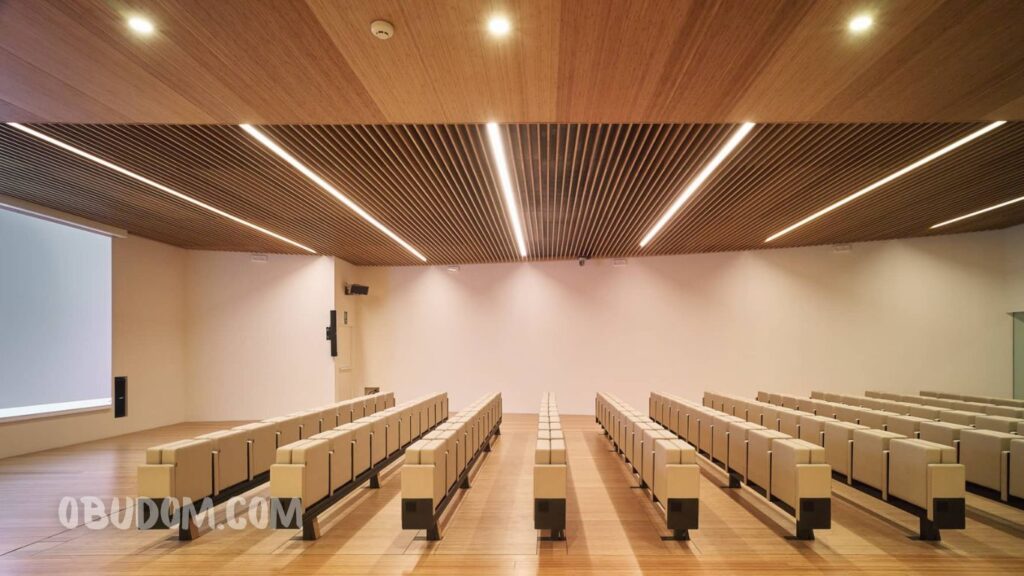
General care and proper use of lamps will help maintain their efficiency, safety and long service life. Do not forget also about the regular inspection and maintenance of all elements of the rail system, which ensures the correct connection and functioning of the lamps.
Recommendations for the effective use of lamps in slatted ceilings
- Zoning of premises and location of lamps
Effective lighting can be achieved by zoning the premises and positioning the lamps according to the functional needs of each zone. Provide lighting for common space, work areas, recreation areas and decorative objects.
For example, for a kitchen or office where bright and even lighting is needed, place the lights evenly on the rails to ensure optimal illumination of the work surfaces.
In the living room or bedroom, you can use lamps with dimmers to create different moods and atmospheres, depending on the situation.
- Use of dimmers and sensor systems
The use of dimmers allows you to adjust the brightness of the lamps, ensuring efficient use of light depending on needs and personal preferences. Dimming the light helps to reduce electricity consumption and extend the life of the lamps, as well as creating a more comfortable atmosphere.
Sensor lighting systems can automatically turn lights on or off when motion is detected or depending on the level of illumination. This allows you to save electricity and provides convenient and automated lighting control.
- Optimal combination of different types of lamps
The combination of different types of lamps helps to create a variety of lighting and give the room a deeper and more expressive character. For example, combining halogen lamps for spot lighting with LED strips or LED lamps for general lighting can create interesting lighting effects and emphasize the decorative elements of the room.
It is important to ensure a balanced combination of fixtures to avoid over-lighting or shadowing, and to ensure that the fixtures emphasize the functional needs of each area.
By following these recommendations and using lamps efficiently, you will be able to create optimal lighting in the room, which will ensure comfort and safety and save energy.
Examples of successful use of lamps for slatted ceilings
- Lighting of residential premises
Rail ceilings allow you to effectively illuminate various living spaces, providing comfort and functionality. For example, in the kitchen, track lights can be placed above the kitchen island and work surfaces, which helps to provide bright and spot lighting for cooking.
In the living room, track lights can be used to create ambient lighting or illuminate decorative elements such as a picture or bookshelves. Using dimmers allows you to control the brightness of the light, creating different moods in the room.
- Lighting of commercial premises
Tracked ceilings are a popular choice for lighting commercial spaces such as offices, shops, restaurants and hotels. They allow you to flexibly adjust the lighting depending on the needs and functions of the room.
In office spaces, track lights can be used to create uniform and effective lighting of work areas. They can also be used to illuminate conference halls or stands with products at exhibitions.
In stores, track ceilings allow you to change the decoration and update the exhibition by changing the position of the lamps and adjusting the angle of light dispersion.
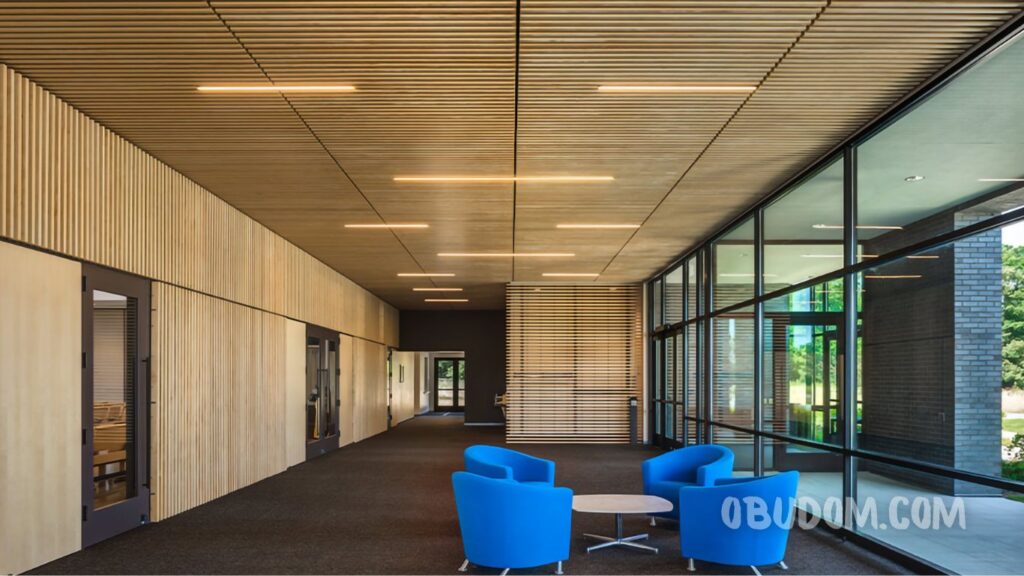
- Lighting of exhibition and gallery spaces
Track lights are an ideal solution for lighting exhibition and gallery spaces, where effective and spot lighting plays an important role in expressing and illuminating exhibits or works of art.
Thanks to the rail system, you can easily adjust the direction and angle of the light flow, as well as change the location of the lamps, providing the most accurate and efficient lighting.
Thus, track lights allow you to achieve high efficiency and adaptability in lighting different rooms, regardless of their purpose, which makes them a popular and versatile choice for various applications.
Conclusion
The choice of lamps for slatted ceilings is an important task for creating effective and functional lighting in various rooms. The correct choice of lamps helps to ensure comfort, safety and aesthetic appearance of premises.
One of the key aspects when choosing lamps is the type of rail system. Different types of railed ceilings have their advantages and limitations, and the choice depends on specific needs and requirements.
When choosing lamps, a number of factors should be taken into account, such as power and brightness, type of light sources, light scattering angle, design and energy efficiency. It is also important to make sure that the lamps meet safety standards and have the necessary certificates.
With the correct use of lamps and the implementation of regular care and maintenance, it is possible to ensure their effective and long-term operation. The use of dimmers and sensor systems allows you to save electricity and create different atmospheres in the room.
The successful use of lights for railed ceilings is demonstrated in residential, commercial and exhibition spaces. This versatility allows you to effectively use them in various areas and achieve optimal lighting.
The main principle when choosing lamps is to take into account the needs and requirements of each room and use optimal technologies to create coziness, comfort and efficient lighting. Thanks to this, you will be able to provide not only bright and comfortable lighting, but also create an atmosphere that meets your needs and lifestyle.
Sources
In the process of writing this article on “Choosing lamps for slatted ceilings”, the following sources were used:
- National Electrical Manufacturers Association (NEMA) – “Standard Sheet for Lighting Systems, Part 2: Luminaires” – https://www.nema.org/
- Illuminating Engineering Society (IES) – “Lighting Handbook: Reference and Application” – https://www.ies.org/
- Energy Star – “Lighting Products Overview” – https://www.energystar.gov/
- Electrical Safety Foundation International (ESFI) – “Home Electrical Safety” – https://www.esfi.org/
- US Department of Energy (DOE) – “Energy-Saving Lighting Tips” – https://www.energy.gov/
- Lighting Research Center (LRC) – “LRC Publications and Reports” – https://www.lrc.rpi.edu/
These sources provided useful information on the main aspects of choosing lights for track ceilings, types of track systems, criteria for safety and quality of lights, as well as recommendations for their effective use. Their use made it possible to confirm and reinforce the information provided in the article from reliable and authoritative sources.