
Parquet has always been considered an elite and luxurious floor covering. Its value lies in the use of natural wood and high-tech production processes. Parquet not only gives the room sophistication, but also has a safe and warm surface. Indeed, when walking with bare feet, the sensations conveyed by the parquet are unsurpassed in comparison with the cold feeling of the concrete surface. Let’s take a look at how to properly care for parquet and preserve its unique beauty.
But in order to keep your parquet in excellent condition for a long time, it is necessary to properly care for it and perform cycling in a timely manner. In this article, we’ll take a closer look at how to care for your parquet floor and give you some important cycling tips to keep your parquet in top condition.
Daily parquet care
Firstly, it is not recommended to walk on the parquet in shoes. Dirt and sand that stick to the soles can cause microscopic scratches on the surface of the parquet tiles. Over time, these scratches spread and become noticeable defects. The bigger the scratches, the more difficult it is to remove them. It is illogical to steal precious parquet for walking in shoes.

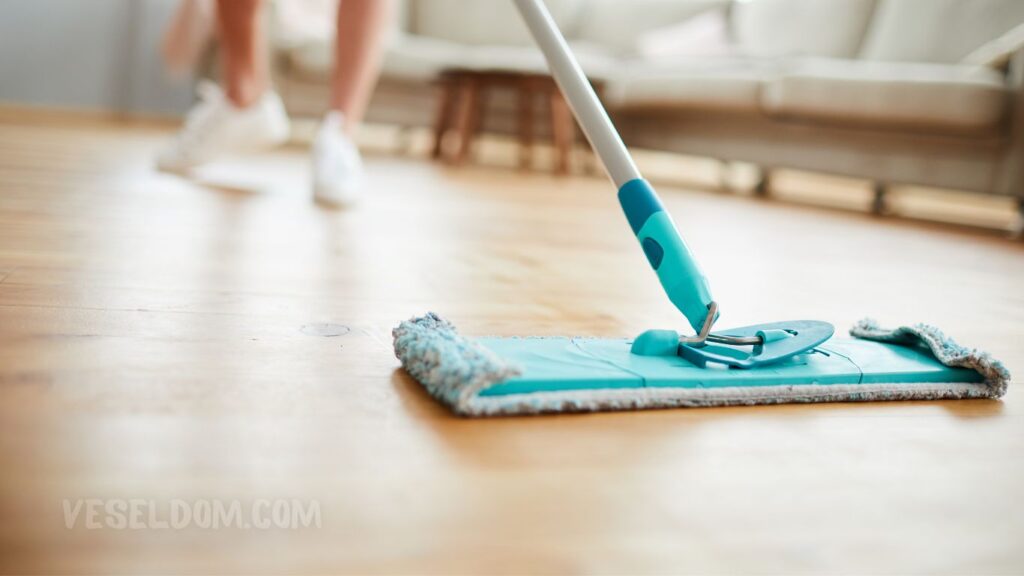
You should also beware of rough furniture legs, as they can damage the parquet. It is recommended to stick pieces of felt or suede on them. Move the furniture very carefully, avoid “dragging”. This applies not only to large objects, but also to chairs. It is best to use a vacuum cleaner or just a broom to clean the parquet.
Soon we will continue, considering the protective coating for parquet and periodic cycling.
Protective coating for parquet
Usually, the finished parquet is carefully cycled and varnished to ensure its protection and durability. If this is not done, the parquet can quickly get dirty and turn gray from dirt absorption. The wooden fibers of the parquet board have the property of absorbing moisture and dirt, so the mandatory varnish coating not only gives a beautiful appearance, but also ensures its protection.
Parquet varnishes are made on the basis of various substances, such as solvent, polyurethane and acrylate. Each varnish has its own characteristics and a different duration of protection. It is important to carefully familiarize yourself with the instructions, which indicate all the features of a particular varnish. A common feature of all varnishes is their water-repellent properties, which help prevent dirt from penetrating the parquet structure.
It is important to remember that if any part of the parquet was restored, the varnish will not be able to completely mask the traces of the intervention. These areas can have a different shade from the rest of the coating. Therefore, parquet oil is being used more and more often instead of varnish. It gives the parquet a slightly darker tone, hides traces of repairs and provides protection against moisture and dirt seeping into the wood.
The choice between varnish and oil depends on your preferences and the specific needs of your parquet.
Periodic cycling
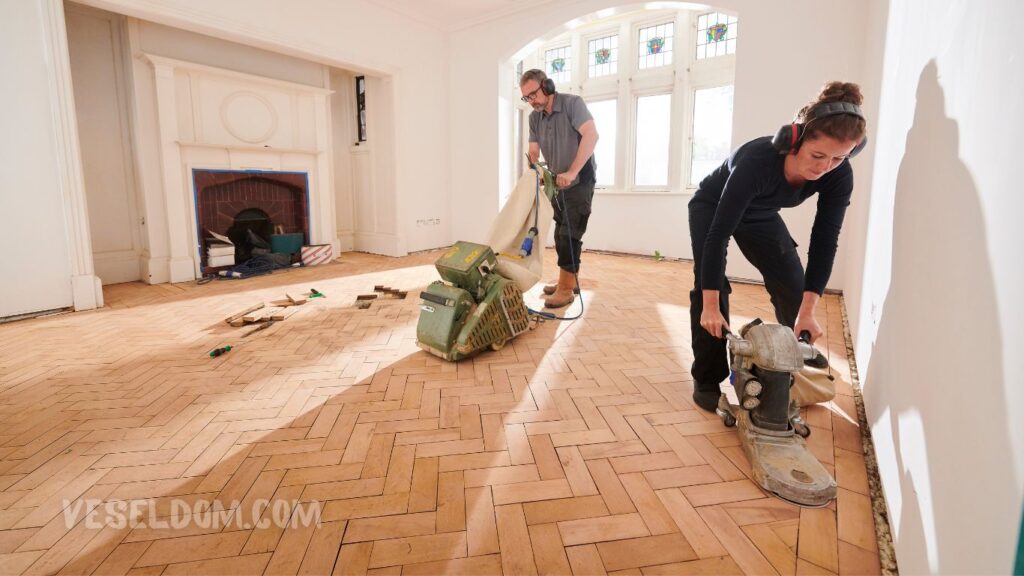
Every year, regardless of the quality of care, small defects such as cracks or scratches may appear on the parquet. In addition, the old layer of varnish wears off over time. To apply a new varnish, it is necessary to completely clean the parquet from the remains of the previous coating. This is achieved by looping. This procedure not only removes the old varnish, but also smoothes the surface, eliminating scratches. It is recommended to cycle not too often, once every five years will be enough. However, since the quality and age of parquet can vary, the real need for cycling can only be assessed by a qualified craftsman after a preliminary inspection of the premises.
When cycling, it is important to follow a certain sequence of steps. Here are step-by-step instructions for cycling parquet:
Preparation of the room:
- Make sure the room is well ventilated and has a stable temperature and humidity. This will help avoid changes in the dimensions of the parquet during the cycling procedure.
- Remove all furniture, carpets and other objects from the parquet surface.
- Check the parquet for visible damage or cases where additional restoration is needed. If necessary, carry out necessary repairs before cycling.
Grinding parquet:
- Use a special sander or orbital sander with special sanding papers.
- Start with coarser papers, gradually moving to finer ones. This will help to effectively remove the old layer of varnish, scratches and unevenness.
- Move over the entire surface of the parquet, maintaining the same pressure and evenly treating all areas.
- After sanding the surface with the coarser papers, move on to the finishing papers to ensure a smooth surface.
Surface cleaning:
- Remove all sanding dust and other contamination from the surface of the parquet with a vacuum cleaner and a damp cloth.
- Make sure the surface is completely dry before applying a new coating.
Applying varnish or oil:
- Choose a suitable protective coating for the parquet – varnish or oil. Read the manufacturer’s instructions for its correct application and drying.
- Apply the coating with a roller or brush. Follow the recommendations regarding the layer and the number of applications.
- Allow the coating to dry completely according to the instructions. Avoid cool or damp conditions, which can slow down the drying process.
Completion of the process:
- After the coating has completely dried, make sure that the parquet is ready for use. Put the furniture and other items back into place, taking care to avoid scratches or damage.
Please note that the recommended cycle frequency may depend on the condition of the parquet, its usage and your own requirements. It is important to contact a professional to assess the condition of your parquet and determine the need for cycling.
Conclusions
Parquet care and proper cycling are important aspects of maintaining its beauty and longevity. The basic rules of parquet care include avoiding walking on shoes, using protective covers on furniture, careful movement of objects and regular cleaning with a vacuum cleaner or broom.
A protective coating, such as varnish or oil, is an important stage in parquet care. Varnish gives a beautiful appearance, protects against the penetration of dirt and moisture, but does not hide the traces of restoration. Oil, on the other hand, adds a darker tone to the parquet, masks traces of repairs and protects it from moisture and dirt seeping into the wood.
Periodic cycling of the parquet is recommended in the presence of small defects, cracks or scratches, as well as abrasion of the old varnish layer. This process helps to correct surface imperfections and prepare it for the application of a new coating. It is recommended to carry out cycling at least once every five years, but the actual need for cycling can be determined only by a qualified master after inspecting the parquet.
Proper care of the parquet and regular cycling will help preserve its aesthetic appearance, durability and flawlessness for many years. Turning to professionals and following manufacturers’ recommendations will help ensure optimal care for the parquet and preserve its excellent qualities.