
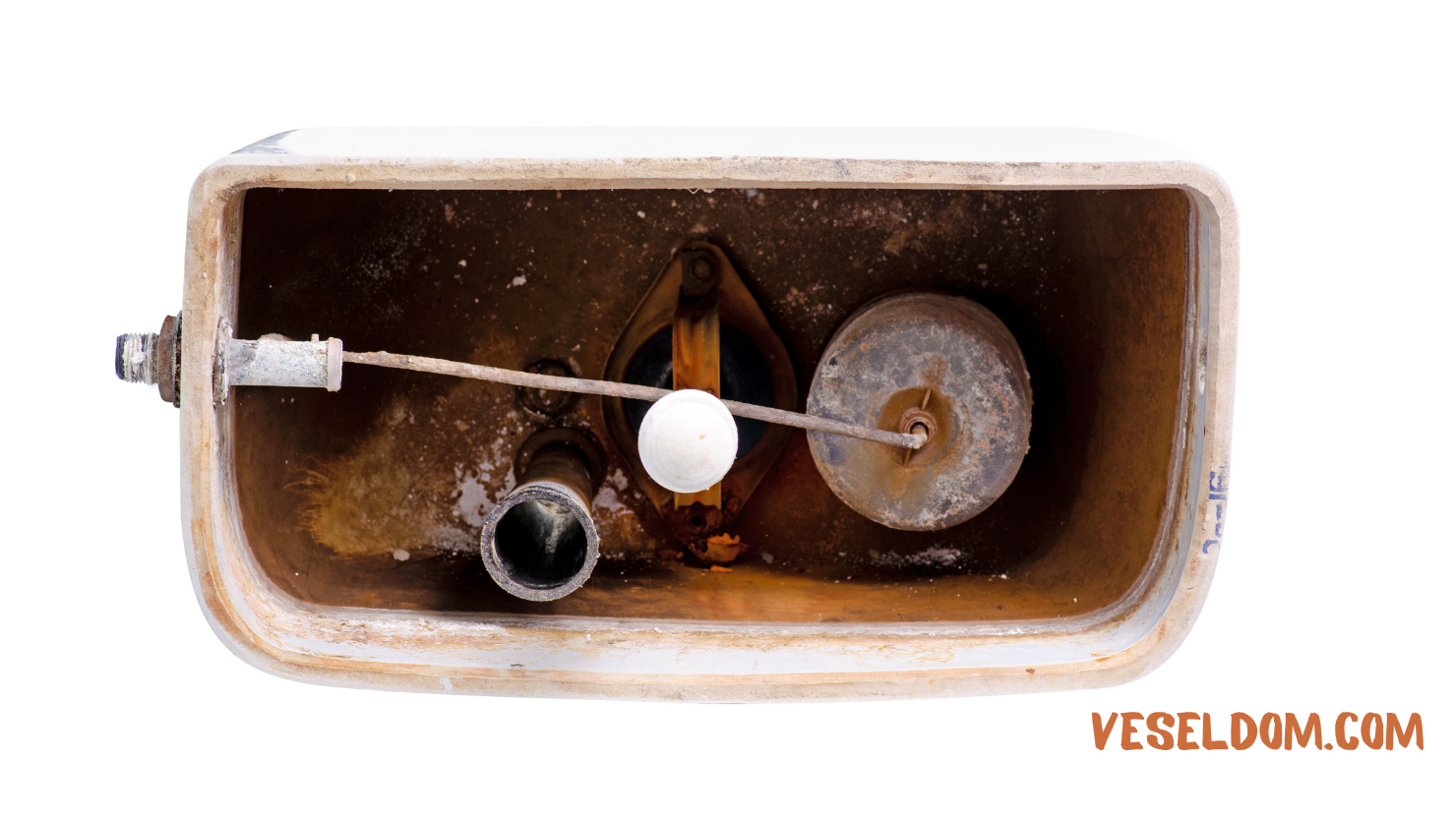
Contamination inside the tank is not only unpleasant to look at, but can also interfere with the normal functioning of plumbing. This is rust that comes with low-quality water, from water supply pipes that need urgent replacement. As well as limescale, which occurs due to an increased amount of lime in the water used in the water supply system. Plaque provokes the appearance of mineral compounds, which settle on the walls of the toilet with an unpleasant gray plaque. In this article, we will talk about the most effective ways to clean the toilet tank inside.
First, let’s figure out how to get to the pollution
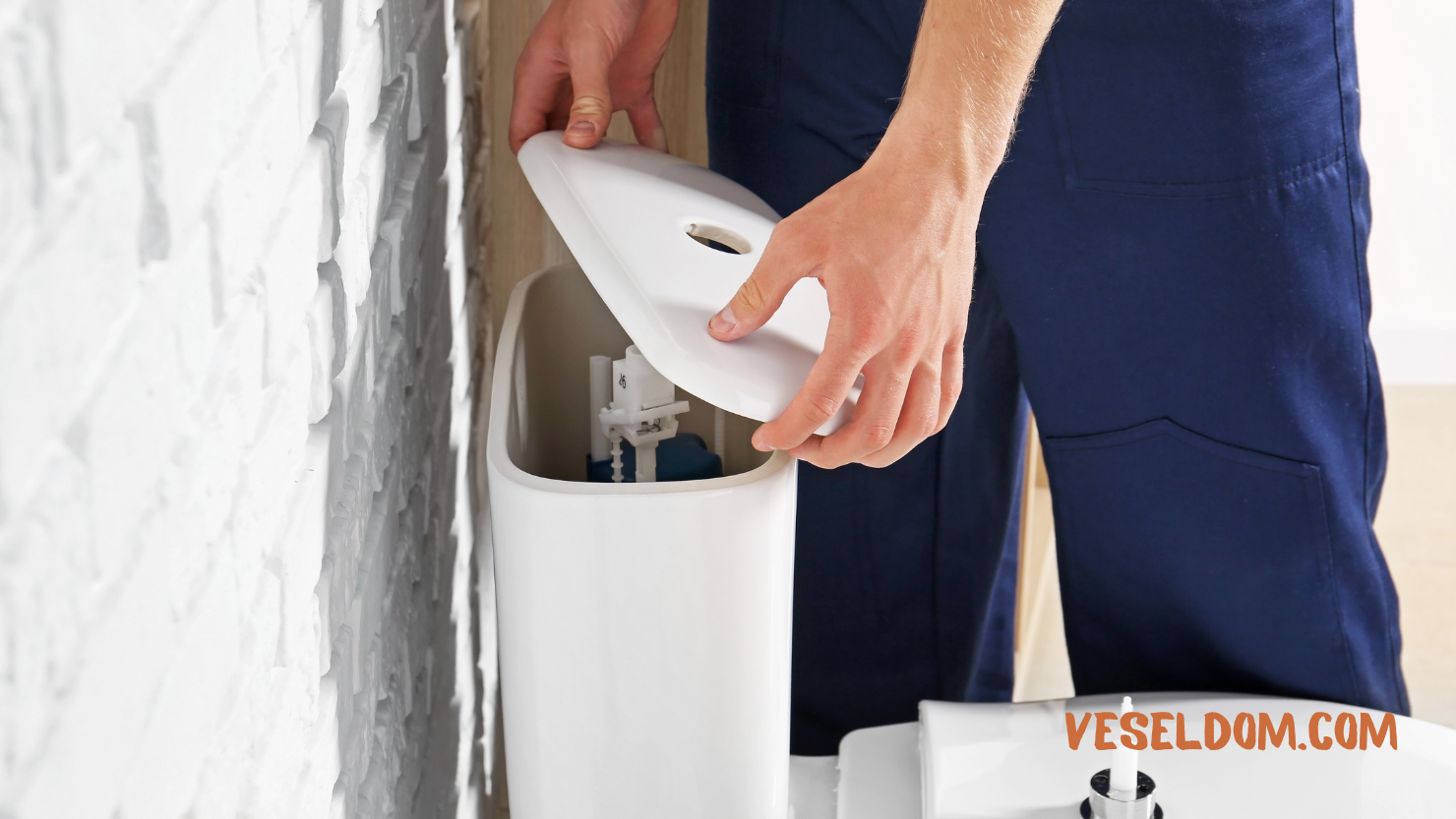
How to open the tank
Old modifications are easy to open: just lift the lid up. More modern models have a single or double button on the lid. At first glance, removing the lid from such a tank seems like a difficult task. But in fact, it only takes a couple of minutes to solve this problem. So, if your tank has a lid with a button, do the following:
- If the button is single, turn the ring around the button counterclockwise with your hands. After the shift, turn the ring out with your hands. If the button is double, press lightly on one part and find a slot on the inner side of the other part. Catching this slot, pull out half of the button. Then remove the other half.
- Remove the cover using the double-sided clip that attaches to the button. To do this, move one end of it to the right, and the other to the left;
- Carefully place the lid on the floor so that it does not crack or break. It is best to first spread newspapers or an old terry towel on the floor.
- Clean the tank, and then assemble the structure in reverse order.
Methods of cleaning the tank
The first thing to do is to shut off the water supply and drain the tank. Then remove the siphon and float. Wash the inside of the tank and parts with a solution of washing powder. If necessary, clean them with an abrasive brush. If the pollution is difficult, then use one of the following methods.
Chemical means:
- “Toilet duckling”. Contains hydrochloric acid, which corrodes even old stone. The tool is applied for forty minutes, and then it is cleaned with a sponge and washed off.
- Silit. Means based on hydrochloric acid. Removes rust and lime scale. Easy to use.
- Sanox. Contains natural acids: oxalic and sulfamic. The oldest dirt and lime dissolve after exposure to Sanox within a few minutes.
In addition to expensive household chemicals, there are excellent home methods.
- Citric acid. It perfectly dissolves lime and other deposits. Apply two sachets of citric acid to the plaque, close the lid of the tank and leave for an hour or a half. Then the dirt is washed off and the remains of plaque are cleaned and washed off. In case of very heavy pollution, the procedure is repeated on another day.
- Acetic acid. The principle of operation is the same as that of lemon. For use, take a glass of vinegar and heat it to the state of steamed milk. The liquid is poured into the tank, the lid is covered and left. After a few hours, the remains are wiped off and washed several times.
- Battery electrolyte. Such an aggressive tool is resorted to when there is no other way to clean lime scale. The liquid is applied to the walls and kept like that for several minutes. Wash well, clean with a sponge or sandpaper.
Importantly! Contact with such aggressive agents should be carried out only in rubber gloves and a mask.
- Coca Cola Cola is poured into a tank, having previously drained all the water. They leave it for the night, and in the morning they clean the walls with a stiff brush or a brush. After that, everything is washed off with water and the plumbing structure is installed back.
- Oxalic acid. The tool is quite scarce, but very effective. Dirty deposits are abundantly sprinkled with oxalic acid and cleaned several times with a brush. Rinse with cold water until dirt is removed. Then the structure is installed back.
Preventive measures
In order to avoid heavy pollution, the following recommendations must be followed:
- thoroughly flush the toilet after each use so that the water in the tank does not stagnate;
- regularly clean the tank if plaque appears in it;
- install a water purification filter if it is of poor quality and can damage the sanitary ware.
Now you know how to clean the toilet tank inside. Careful attitude to sanitary ware and regular maintenance will help extend its service life for several additional years.