
Laser epilation is a procedure for removing hair from the skin using a laser beam. The laser destroys the hair follicle, which prevents hair growth. This method is great for people with dark hair and light skin, as well as for those who want to forget about regular hair removal procedures such as shaving or waxing. In this article, we will look at the laser hair removal procedure, its advantages and disadvantages, possible consequences and side effects, as well as detail how to care for the skin after the procedure.
Laser hair removal has become popular due to its effectiveness and long-lasting results. After several procedures, many people notice that the hair on the legs becomes less, but it is thinner. Moreover, some people report a complete absence of hair after a full course of procedures. Also, laser hair removal is more comfortable for the skin compared to other methods of hair removal, such as shaving with a razor, which can lead to skin irritation.
Laser hair removal is a fairly quick process. The procedure can take from a few minutes to an hour depending on the size of the area to be treated. Therefore, it is quite convenient for people who live an active life and do not have much time for hair removal procedures.
How laser hair removal works
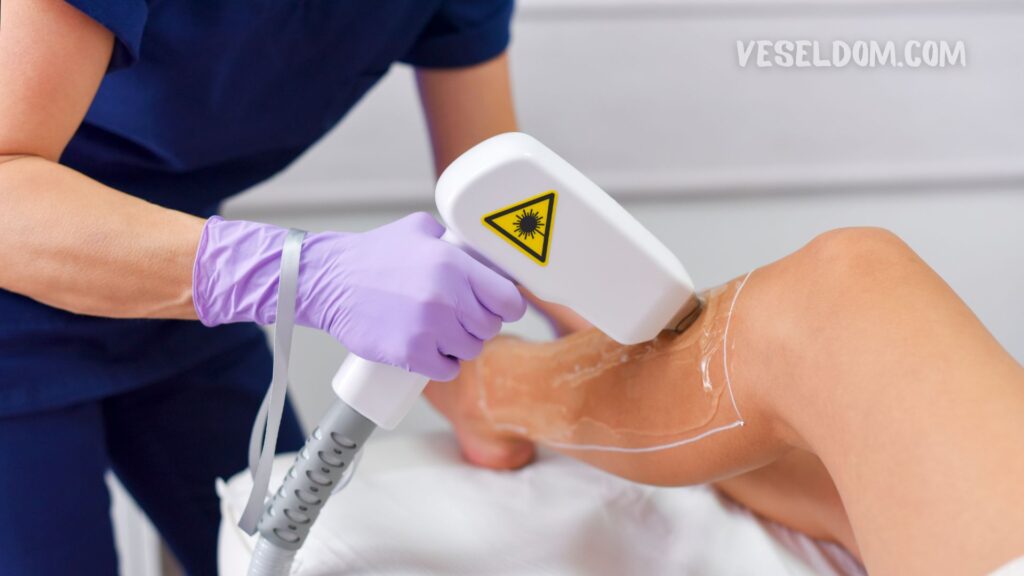
Laser hair removal works on the principle of using laser light that penetrates the skin and destroys the hair follicle. The laser beam is scattered in the skin and absorbs melanin, which is in the hair follicle. Melanin colors the hair, so when the laser absorbs it, it heats the hair follicle and destroys it.
Laser hair removal uses different types of lasers that differ in the wavelength of light. For example, the alexandrite laser uses a wavelength of 755 nm, which is most suitable for light skin, while the Nd:YAG laser uses a wavelength of 1064 nm, which is suitable for dark skin.
Before the procedure, the doctor performs a test probe to determine your skin type and hair darkness. Based on this, the laser setting is selected according to your parameters. During the procedure, the doctor applies a gel to the area to be treated and then uses a laser machine to treat the area.
The laser hair removal procedure can be a little painful, but most laser machines have a cooling system that reduces discomfort and prevents the possibility of burns. Laser hair removal requires several treatments, usually three to seven, depending on how thick the hair grows in the treatment area. Each procedure should be carried out a few weeks after the previous one, so as to destroy the hair follicle when it is in the growth phase. Therefore, the number of procedures depends on the stage of hair growth each follicle is at. Overall, laser hair removal is a safe and effective procedure that can reduce body hair by up to 90%.
Types of laser epilators
There are several types of laser epilators designed for different skin and hair types. The main types are:
- Diode laser epilators. This type of laser epilator uses a diode laser that generates light with a wavelength of 800 to 810 nm. They are considered most effective for people with dark skin and dark hair.
- Nd:YAG laser epilators use a Nd:YAG laser with a wavelength of 1064 nm. They are most suitable for dark skin, as this type of laser can penetrate deep into the skin and minimize the risk of damage to the epidermis.
- Ruby laser epilators use a ruby laser with a wavelength of 694 nm. They are most effective for people with light skin and light hair.
- Alexandrite laser epilators use an alexandrite laser with a wavelength of 755 nm. They are suitable for a variety of skin and hair types, including dark skin and dark hair.
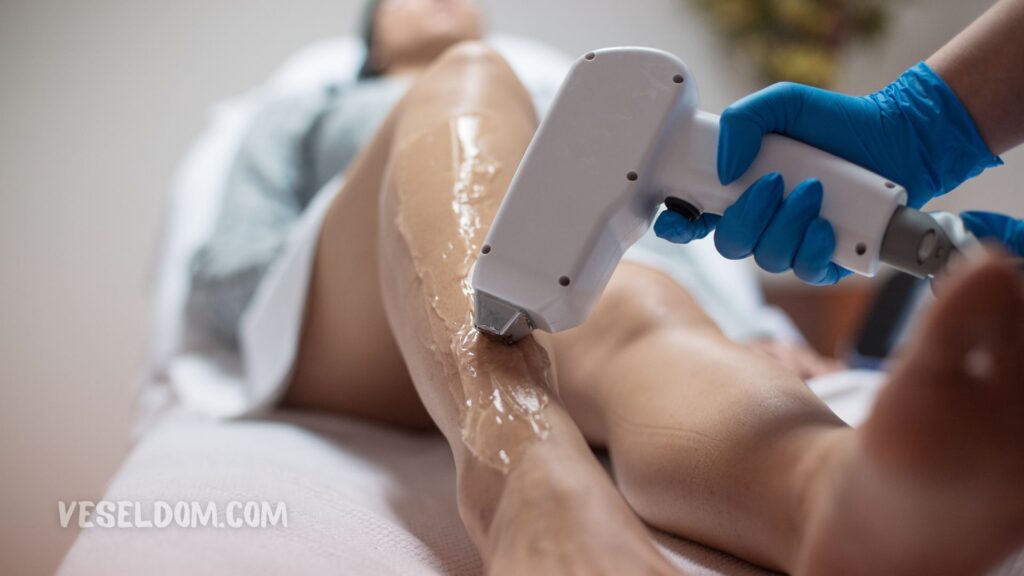
As a rule, each type of laser epilator has different parameters that allow you to set the optimal wavelength and intensity for different types of skin and hair. When choosing a laser epilator, it is important to consider skin type and hair thickness, as these parameters can affect the effectiveness of the procedure and the risk of skin damage.
Advantages, disadvantages and side effects
Advantages of laser hair removal:
- Long-lasting results: Laser hair removal usually provides long-lasting or even permanent results compared to other hair removal methods.
- Speed of the procedure: laser hair removal allows you to quickly remove hair from a large area of the skin, and the procedure time is much shorter compared to other hair removal methods.
- Less pain: Although pain may be experienced during laser hair removal, it is usually less painful than other hair removal methods such as waxing.
- No need to clean the skin: before the laser hair removal procedure, you do not need to clean the skin with scrubs, as you need to do for waxing.
Disadvantages of laser hair removal:
- High costs: Laser hair removal can be quite expensive compared to other hair removal methods such as waxing.
- Risk of skin damage: If laser hair removal is not done correctly, there may be a risk of skin damage such as burning or pigmentation.
- Not effective on certain hair types: Laser hair removal may be less effective on very light, gray or red hair.
- Multiple treatments required: Laser hair removal usually requires multiple treatments to achieve the desired result.
Side effects of laser hair removal can also include:
- Increased sensitivity of the skin: after the procedure, increased sensitivity of the skin may be observed for several hours or even several days.
- Skin discoloration: Some people may experience skin discoloration after laser hair removal. Usually, this color change is temporary, but if the procedure is performed incorrectly or the individual characteristics of the skin, it can be permanent.
- Appearance of a rash: a small rash or redness may appear on the skin after the procedure. This should not usually be a serious problem, but in some cases it may require treatment.
- Chance of infection: As with any procedure that involves cutting or puncturing the skin, there is a risk of infection after laser hair removal. Therefore, it is important to take care of the skin after hair removal.
- Increased hair: In some cases, instead of decreasing hair, there may be an increase in hair growth.
However, in general, laser hair removal is considered a safe and effective method of removing excess hair. Most side effects are temporary and usually disappear after a few days. If you are considering laser hair removal, it is important to consider all possible risks and benefits and discuss them with your doctor.
Preparation for laser epilation
Preparation for the laser hair removal procedure includes several steps so that everything goes as efficiently and safely as possible. Here are some useful tips for preparing for laser hair removal:
- Avoid sunburn: First of all, avoid prolonged exposure to the sun and use a sunscreen with a high protection factor to prevent sunburn on the area of skin to be epilated. Burns can lead to various side effects, including increased pain and risk of inflammation.
- Do not use depilatory products that remove hair from the root before the laser hair removal procedure. It is necessary to allow the hair to grow several millimeters so that the laser can effectively identify and destroy the root of the hair.
- Inform the beautician about medications: If you are taking any medications or have any medical conditions, inform your beautician. Some medications can make the skin more sensitive to laser exposure, so it is important to find out about this from a cosmetologist before starting the procedure.
- Reduce the use of cosmetics 24-48 hours before the procedure. You can use a mild cleansing gel, but not harsh abrasives or peels, as they can damage the skin and increase the risk of irritation after the procedure.
- Dry skin due to insufficient hydration before the procedure should be avoided. The skin must be clean and dry at the time of the procedure.
- Avoid alcohol and other products that affect the water balance of the skin 48 hours before the laser hair removal procedure.
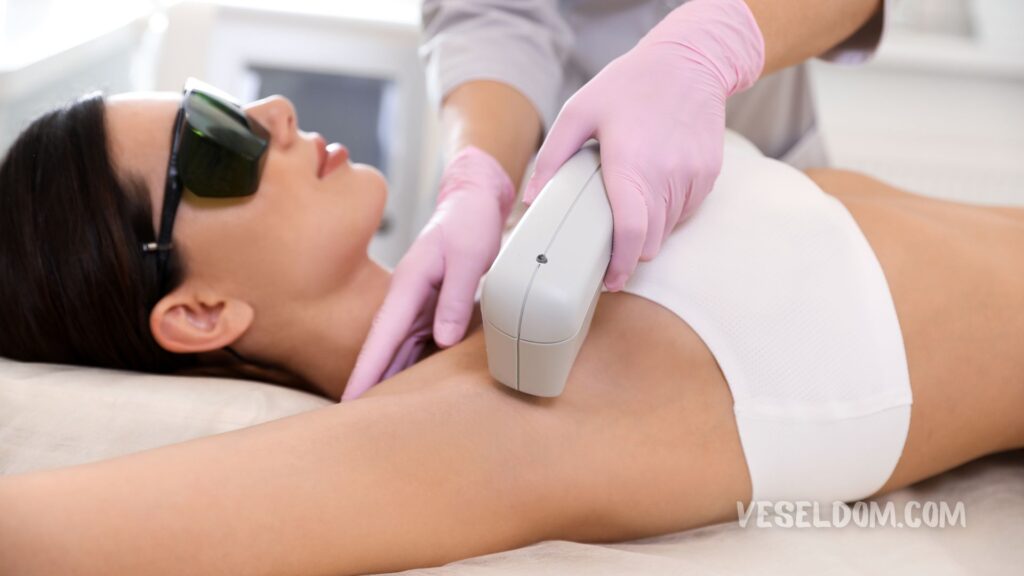
Before the procedure, the beautician must conduct a consultation and skin examination to determine the appropriate type of laser hair removal and adjust the laser parameters according to the patient’s needs.
A patient’s overall health and medications can also affect the effectiveness and safety of the laser hair removal procedure. Therefore, if the patient has any chronic diseases or is taking any medications, it is important to inform your cosmetologist before the procedure.
How does the laser hair removal procedure work?
The laser hair removal process usually involves several procedures to achieve optimal results. The number of necessary procedures may vary depending on the thickness and color range of the hair, as well as on which part of the body the procedure is performed.
It is usually recommended to undergo 6 to 8 procedures with an interval of 4-6 weeks between each of them. The interval between treatments is necessary to allow the hair to grow to a length that can be effectively treated with the laser. It is also important to follow the cosmetologist’s recommendations regarding skin preparation before each procedure and perform the procedures with the required frequency.
The duration of the procedure may also vary depending on the size and complexity of processing a certain part of the body. For example, it can take up to 60 minutes to treat a large surface such as the leg, while treating a smaller area such as the underarms only takes a few minutes.
The laser hair removal procedure usually takes place as follows:
- The cosmetologist pre-prepares the skin by cleaning it of impurities to ensure maximum contact of the laser beam with the skin.
- During the procedure, the cosmetologist applies a gel or cream substance to the skin that helps absorb the energy of the laser beam.
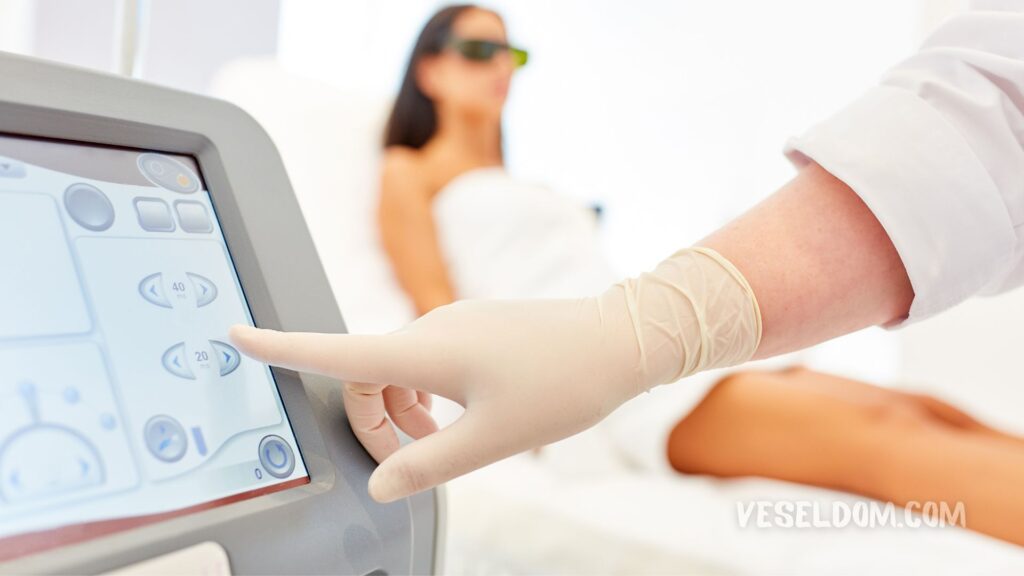
- The beautician adjusts the laser to a specific skin and hair type, using parameters that work best for the client.
- After setting up the laser, the beautician starts the procedure by directing the laser beam to the treated area. During the procedure, you may feel some discomfort, similar to the feeling of a light soft blow. If the pain is bothersome, the beautician can provide additional local anesthesia to reduce discomfort.
- When the procedure is over, the cosmetologist removes the laser and cleans the skin from the gel or cream.
- After the procedure, a cooling cream or lotion may be applied to reduce inflammation and reduce discomfort.
Usually, after the laser hair removal procedure, the cosmetologist explains to the client what actions should be taken in the first days after the procedure to prevent negative consequences. For example, it is forbidden to visit the sauna, swimming pool and gym, go out in the sun without protection. The beautician may recommend certain care products for the treated area to reduce inflammation and with a high sun protection factor.
Contraindications to laser epilation
Although laser hair removal is a safe and effective procedure for most people, there are some contraindications and limitations that should be considered before undergoing the procedure.
The main contraindications to laser hair removal include the following:
- Pregnancy and breastfeeding. Pregnant women and those who are breastfeeding should refrain from undergoing laser hair removal, as there is insufficient data on the safety of the procedure in these cases.
- Active inflammatory processes and skin infections. If there are ulcers, wounds, infections, rashes, herpes or burns on the skin, this may be a contraindication to the laser hair removal procedure. Increased sensitivity to light, eczema, psoriasis and other skin diseases can also be contraindications. Laser radiation can worsen the inflammatory process and promote the spread of infection. Therefore, the procedure should be postponed until the skin is completely restored.
- Certain medical conditions: Laser hair removal may be contraindicated for people with certain medical conditions, such as epilepsy, diabetes, hemorrhages, increased sensitivity to light, elevated body temperature, viral diseases, cancer, etc. Before undergoing the procedure, you should consult a doctor.
- Tanning: Laser radiation can cause burns on the treated areas of the skin. Therefore, it is recommended to avoid the sun and solarium for 4-6 weeks before the procedure.
- Taking certain medications: Certain medications can cause photosensitivity, which increases the risk of side effects during laser hair removal. Such drugs may include antibiotics, drugs containing retinoids, antidepressants, anti-inflammatory drugs, and others.
- Oncological diseases: laser hair removal may be contraindicated in some oncological diseases, as well as in cases of suspected skin cancer.
Before starting the procedure, the cosmetologist conducts a detailed consultation, during which he analyzes the state of health and skin of the client, and also specifies the presence of contraindications to the procedure. If any problems are detected, the cosmetologist may refuse to perform the procedure or recommend consulting a doctor.
On which areas of the body can laser hair removal not be performed?
Laser hair removal can be performed on any area of the body where there are hair follicles, but there are a few exceptions. For example, it is not recommended to perform laser hair removal on the eyelashes, eyebrows and ears, as it can be dangerous for the eyes and hearing.
Care should also be taken when epilating intimate areas such as the genitals, as these areas can be very sensitive and vulnerable. In such cases, it is worth contacting an experienced doctor or cosmetologist who can provide a safe procedure.
In addition, laser hair removal is not recommended for treating hair on tattoos or scars, on areas with severe skin discoloration (such as after tanning or burns), or on skin with infections, inflammation, rashes, or swollen areas.

How to care for the skin after laser epilation
Skin care after a laser hair removal procedure is very important as it helps prevent irritation and other side effects. Here are some tips on how to care for your skin after laser hair removal:
- Avoid direct sunlight for a few days after the procedure, as the skin becomes more sensitive to UV rays.
- Use products with a high SPF to protect your skin from the sun’s rays.
- Avoid hot baths and showers, saunas and other sources of heat, as this can cause irritation.
- Do not use deodorants, antiperspirants and other cosmetics on the treated area for 24 hours after the procedure.
- Do not use alcohol-based cleansers or lotions, as they can irritate the skin.
- If mild tenderness or pain occurs, apply an ice pack to the treated area to reduce inflammation.
- If necessary, use a lotion or cream that contains aloe vera to soothe the skin and reduce inflammation.
- Do not remove hair using other methods (such as waxing, epilation) for several weeks after the procedure, as this may increase irritation and inflammation.
Proper skin care after laser epilation will help maintain the health and beauty of the skin, prevent the occurrence of inflammatory processes, irritations and other unpleasant consequences. Therefore, you should pay enough attention to this and follow the recommendations of a specialist.